At Hitech Food Ingredients, we use modern processing technology and stringent quality control measures to ensure every product retains its natural aroma, flavor, and nutritional value.
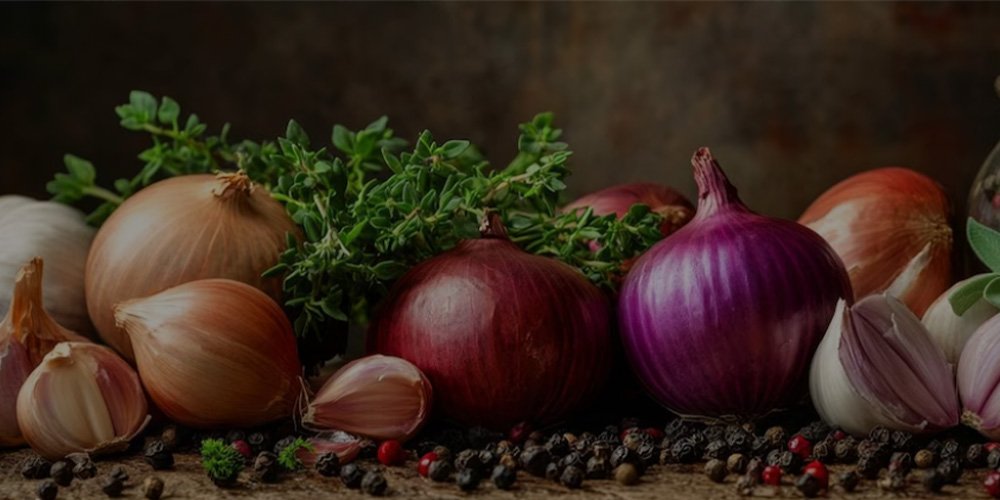
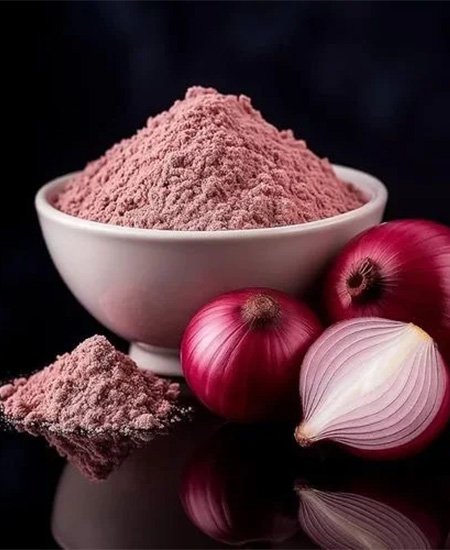
Dehydrated onion has become an essential pantry staple for home cooks and professional chefs alike, offering the robust flavor of fresh onions without the tears, prep time, or short shelf life. This versatile ingredient is created through a careful moisture-removal process that concentrates the natural flavors while extending storage capabilities for months or even years.
The world of dehydrated onions extends far beyond simple dried pieces. This comprehensive guide explores six distinct forms:
Each form brings unique benefits to your culinary repertoire, from convenience and consistency to concentrated flavor profiles. Understanding the uses of dehydrated onion across these various formats will transform how you approach meal preparation, enabling you to add depth and complexity to dishes with minimal effort and maximum efficiency.
Dehydrated onions are fresh onions that have had their moisture removed through a controlled process. This makes them stable and easy to store, while still keeping their important qualities.
The process of dehydrating onions involves several steps:
This careful method of drying helps preserve the nutritional value of the onions. The low temperature used during drying helps retain proteins, vitamins, and essential minerals like calcium and iron. Additionally, the natural compounds in onions that give them their unique flavor and health benefits remain mostly unchanged throughout the process.
Here are some key differences between fresh and dehydrated onions:
The transformation from fresh to dehydrated creates a product that weighs significantly less, requires no refrigeration, and occupies minimal storage space.
Interestingly, this dehydration process also allows for easy conversion into other forms such as onion powder. For instance, the conversion from onion powder to whole onion is straightforward due to the reduced moisture content and concentrated flavor profile of dehydrated onions.
Exploring Different Forms of Dehydrated Onions
The versatility of dehydrated onions becomes apparent when examining the six distinct forms available to home cooks and professional chefs. Each variety offers unique characteristics suited to specific culinary applications.
Dehydrated onion flakes measure between 8-20 mm and represent the largest pieces in the dehydrated onion family. These thin, crispy slices work exceptionally well in soups, stews, and casseroles where they rehydrate quickly and provide visible onion pieces. Their size makes them ideal for dishes requiring texture and visual appeal.
Dehydrated onion chopped pieces range from 3-10 mm, offering a middle ground between flakes and smaller forms. These work perfectly in pasta sauces, pizza toppings, and meat marinades where a noticeable onion presence enhances the dish without overwhelming other ingredients.
Dehydrated onion kibbled consists of larger chunks typically measuring 5-15 mm. This form excels in slow-cooked dishes like pot roasts, braised meats, and hearty bean preparations where extended cooking times allow full rehydration and flavor integration.
Dehydrated onion minced features finely cut pieces around 1-3 mm in size. This form integrates seamlessly into ground meat mixtures, meatballs, burger patties, and quick-cooking sauces where subtle onion flavor matters more than texture.
Dehydrated onion granules measure approximately 0.5-1 mm and resemble coarse sand. These blend effortlessly into dry rubs, seasoning mixes, and salad dressings, providing consistent onion flavor throughout the preparation.
The dehydrated onion powder represents the finest form at 80-120 mesh. This ultra-fine powder disperses instantly in liquids, making it essential for spice blends. However, it’s often misunderstood or underappreciated in certain culinary circles. As highlighted in this article from Taste Cooking, one should not snub the use of onion powder, as it offers a unique flavor profile that can enhance a variety of dishes.
The benefits of dehydrated onion extend far beyond simple pantry organization. These versatile ingredients offer practical solutions to common kitchen challenges while maintaining the essential qualities that make onions indispensable in cooking.
Long shelf life onions in their dehydrated form can remain viable for up to two years when properly stored in airtight containers. This remarkable preservation eliminates the frustration of discovering sprouted or moldy fresh onions in your vegetable drawer. The dehydration process removes approximately 96% of the moisture content, creating an environment where bacteria and mold cannot thrive. Store your dehydrated onion products in cool, dark locations to maximize their longevity and preserve their aromatic compounds.
Convenience dried onions transform cooking routines by eliminating prep work. No more tears, sticky cutting boards, or lingering odors on your hands. A quick measurement from your pantry replaces the entire process of peeling, chopping, and cleaning up after fresh onions.
Rehydration takes mere minutes—simply add hot water or incorporate directly into dishes with sufficient liquid content.
The nutritional value dehydrated onions provide remains impressive despite processing. These products retain significant amounts of proteins, vitamins, and essential minerals including calcium and iron. The controlled low-temperature drying process preserves many of the
beneficial compounds found in fresh onions, including their natural antiseptic properties and antioxidants.
Mastering the art of rehydration unlocks the full potential of your dehydrated onion products. Each form requires specific techniques to achieve optimal texture and flavor distribution in your dishes.
Basic Method:
For immediate use in soups or stews, add flakes directly to the liquid without pre-soaking. The cooking process naturally rehydrates them while infusing flavor throughout the dish.
Quick Rehydration Process:
Granules rehydrate faster than flakes due to their smaller particle size, making them ideal for quick meal preparations.
Onion powder requires no rehydration. Add it directly to dry rubs, spice blends, or mix with small amounts of liquid to create a paste for marinades. When incorporating into sauces or gravies, whisk the powder into cold liquids first to prevent clumping. The fine texture dissolves readily, distributing onion flavor evenly throughout your preparations without altering the dish’s consistency.
Creative Ways to Use Dehydrated Onions in Your
Cooking
Cooking with dehydrated onion
flakes opens up possibilities beyond traditional
applications. Here are some creative ways to use
them:
Seasoning with onion powder transforms everyday dishes with concentrated flavor. Here are some ideas for using onion powder as a seasoning:
Kibbled onions work exceptionally well in slow-cooked
dishes like stews and braises, where their larger size
maintains presence throughout extended cooking times.
Here are some ways to incorporate kibbled onions into
your cooking:
1. Add them to rice pilaf or quinoa
during the cooking process for infused flavor in
every
grain.
2. Use them in dry rubs and
coating mixtures for fried foods, adhering well to
proteins while
adding crispy texture.
For breakfast applications, stir minced dehydrated onions
into scrambled eggs, omelets, or frittatas. Here are
some additional breakfast ideas:
• Incorporate them
into savory pancake or waffle batters for unexpected
depth.
• Mix any form of dehydrated onions into
compound butter alongside herbs, then freeze for instant
flavor enhancement on steaks, fish, or vegetables.
Choosing Quality Dehydrated Onion
Products
When sourcing dehydrated
onions, it’s important to pay close attention to
product specifications and supplier credentials. The
best quality dehydrated onion products have a consistent
color, uniform size, and a strong natural smell without
any off-odors or discoloration.
•
Ingredient list – Pure dehydrated
onion should be the only ingredient, with no added
preservatives, anti-caking agents, or artificial
flavors
• Moisture content –
Premium products maintain approximately 6% moisture
levels, preventing spoilage while preserving
texture
• Certifications –
Look for ISO 22000, USFDA, HALAL, or KOSHER
certifications that verify food safety standards
•
Ash content – Quality dehydrated
onion contains minimal ash, indicating proper processing
methods
Properly packaging dried onions is essential to protect
them from moisture and oxidation. Choose products that
are sealed in multi-layered, food-grade pouches or
containers with airtight closures. Transparent or
semi-transparent packaging allows you to visually
inspect the color
consistency and particle size
uniformity. Additionally, make sure to check the
expiration dates and batch numbers, which reputable
manufacturers clearly display to ensure traceability and
freshness preservation throughout the product’s
shelf life.
Where to Find Dehydrated Onion
Products
There are several places
where you can find quality dehydrated onion products:
Most major supermarkets have a spice aisle where you can find dried onions. Brands like McCormick and Spice Islands offer reliable options.
Stores like Whole Foods and Sprouts Farmers Market carry organic dehydrated onions alongside conventional varieties. This is a great option for health-conscious consumers looking for certified organic products.
If you prefer to shop online, there are plenty of options available. Websites like Amazon have a wide selection of brands offering bulk quantities and specialty forms of dehydrated onions, such as kibbled or powdered.
Specialty spice stores like The Spice House and Penzeys also have online catalogs with detailed product descriptions and sourcing information. This can be helpful if you’re looking for specific types of dehydrated onions.
Websites like Nuts.com and Vitacost offer both domestic and imported dehydrated onion products. They often include customer reviews, which can be useful when making purchasing decisions.
Ethnic grocery stores may carry dehydrated onions as well, particularly in larger quantities suitable for frequent users or food service applications.
If you’re looking to buy in bulk at competitive prices, restaurant supply outlets can be a good option. These places often stock commercial-grade dehydrated onions in larger quantities.
By exploring these various retail channels, you can easily find high-quality dehydrated onion products that suit your needs.
Conclusion
Dehydrated onion is an
essential pantry staple that transforms everyday cooking
through its remarkable versatility and practicality.
Whether you choose kibbled chunks for hearty stews,
granules for seasoning blends, or powder for instant
flavor enhancement, each form offers unique culinary
possibilities that elevate your dishes without
compromising on taste.
The benefits of dehydrated onion are clear: extended
shelf life up to two years, elimination of prep time,
consistent flavor delivery, and reduced food waste.
These advantages make dehydrated onions a smart choice
for both home cooks seeking efficiency and
culinary
enthusiasts exploring new flavor
dimensions. By keeping various forms stocked in your
kitchen, you ensure that rich, aromatic onion flavor
remains accessible whenever inspiration strikes,
streamlining your cooking process while maintaining the
authentic taste your recipes deserve.
FAQs (Frequently Asked
Questions)
Dehydrated onions are
onions that have undergone a dehydration process to
remove moisture, preserving their flavor and nutrition.
They are popular in cooking due to their long shelf
life, convenience, and versatility in various recipes.
Dehydrated onions come in several forms including flakes, powder, granules, minced, chopped, and kibbled. Each form varies in texture and culinary use; for example, onion powder is great for seasoning, while flakes are ideal for soups and stews.
The dehydration process preserves much of the onion’s original flavor and nutritional content while extending shelf life. Although texture changes compared to fresh onions, dehydrated onions retain their essential taste and beneficial nutrients.
Using dehydrated onions offers several advantages including extended shelf stability, convenience with quick rehydration, consistent flavor availability year-round, and reduced waste compared to fresh onions.
To rehydrate dehydrated onion flakes or granules effectively, soak them in warm water for a few minutes until softened. Onion powder typically does not require rehydration and can be added directly to dishes as a seasoning.
High-quality dehydrated onion products can be found at grocery stores, health food shops, and online platforms offering organic and conventional options. Look for products without additives or fillers and check packaging for freshness preservation to ensure quality.