At Hitech Food Ingredients, we use modern processing technology and stringent quality control measures to ensure every product retains its natural aroma, flavor, and nutritional value.
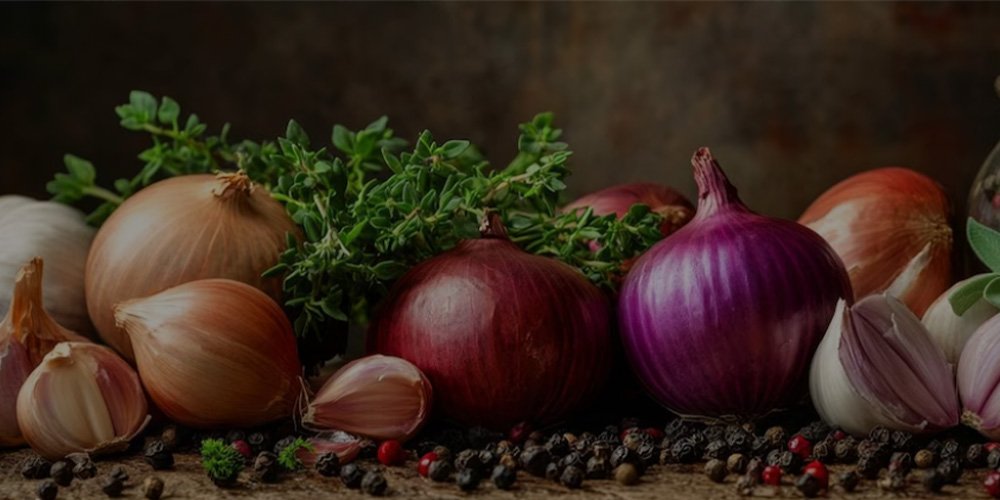
Garlic is an essential ingredient in many food products, valued for its distinctive aroma, savory taste, and versatility. From sauces and marinades to seasoning blends, snacks, soups, and ready-to-eat meals, garlic contributes an important flavor component to commercial food formulations.
For food manufacturers, selecting the right garlic product involves more than choosing an ingredient. Particle size, flavor intensity, moisture content, rehydration behavior, packaging, and consistency can all influence the final product.
Dehydrated garlic offers a convenient alternative to fresh garlic for many manufacturing applications. Available in forms such as flakes, chopped garlic, minced garlic, granules, and powder, it allows manufacturers to select an ingredient that suits their specific processing requirements.
This guide explains the main types of dehydrated garlic, their applications, and the factors businesses should consider when sourcing them from Hitech Food Ingredients or other suppliers.
Dehydrated garlic is produced by removing moisture from fresh garlic through a controlled drying process. The resulting ingredient retains characteristic garlic flavor and can be incorporated into various food formulations.
Unlike fresh garlic, dehydrated garlic does not generally require peeling and chopping at the point of use. Depending on the product form, it can be added directly to dry mixes or rehydrated before incorporation into a recipe.
Common forms include:
Each form offers different characteristics that make it suitable for particular food applications.
Garlic flakes are larger, irregular pieces of dried garlic. They are suitable for applications where visible garlic pieces or a more noticeable texture are desired.
Common applications include:
Garlic flakes can be used directly in some recipes or rehydrated when a softer texture is required. The appropriate method depends on the formulation and cooking process.
Chopped garlic consists of coarser pieces than minced garlic or granules. It can provide a recognizable garlic texture in products where larger particles are preferred.
Potential applications include:
Manufacturers should evaluate particle size and rehydration characteristics to ensure the ingredient performs as intended.
Minced garlic consists of relatively small pieces that offer a balance between visible texture and convenient incorporation into recipes.
It can be suitable for:
Minced garlic can be useful when manufacturers want small garlic pieces distributed throughout the finished product.
Garlic granules have a granular texture and can be useful in applications where controlled particle size and convenient blending are important.
Potential uses include:
The correct granule size depends on the mixing equipment, other ingredients, and desired texture of the final product.
Garlic powder is produced by grinding dehydrated garlic into a fine form. It is useful when manufacturers require an even distribution of garlic flavor without noticeable pieces.
Typical applications include:
Fine powders can absorb moisture and form lumps under unsuitable conditions, so appropriate packaging and storage are important.
| Product Form | Texture | Suitable Applications |
|---|---|---|
| Garlic flakes | Larger, irregular pieces | Soups, seasoning mixes, selected prepared foods |
| Chopped garlic | Coarse pieces | Sauces, marinades, meal mixes |
| Minced garlic | Small pieces | Soups, gravies, seasonings |
| Garlic granules | Granular particles | Dry blends, snack seasonings, food formulations |
| Garlic powder | Fine powder | Instant mixes, rubs, sauces, seasoning powders |
Product specifications vary by manufacturer. Buyers should confirm available particle sizes and quality parameters before placing an order.
Dehydrated garlic reduces the need for routine peeling and chopping during production. This can simplify ingredient preparation and support more efficient workflows.
When correctly packaged and stored, dehydrated garlic generally offers a longer storage life than fresh garlic. Its reduced moisture content also makes it convenient to handle and transport.
Using defined product specifications and measured quantities can help manufacturers maintain consistent garlic flavor across production batches.
The availability of several product forms allows businesses to select ingredients for different textures, mixing methods, and processing conditions.
Dehydrated garlic arrives in a processed form, reducing the amount of fresh raw material preparation required at the manufacturing site. Actual savings depend on the application and production setup.
Dehydrated garlic can contribute flavor to instant meals, packaged soups, sauces, and selected convenience foods. Minced garlic, flakes, and granules can be chosen according to the desired texture.
Garlic powder and granules are useful in seasoning formulations because they can be blended with ingredients such as onion powder, herbs, salt, and spices.
Garlic powder is commonly suitable for dry snack seasonings, while selected granular forms may be used where a coarser seasoning texture is desired.
Garlic powder can provide evenly distributed flavor, while chopped or minced forms may be selected when the recipe calls for visible garlic pieces.
Garlic ingredients can be incorporated into selected breads, crackers, savory biscuits, and other products where garlic flavor complements the formulation.
Determine whether the final product requires a fine powder, small granules, minced pieces, or larger flakes.
Conduct trials to establish the appropriate dosage and flavor profile. Processing conditions and other ingredients can affect the final result.
Moisture content and water activity can influence storage stability and ingredient performance. Request the supplier's product specifications.
Establish suitable microbiological criteria and verify the supplier's testing and food safety documentation. Requirements depend on the product, its intended use, and the destination market.
Packaging should protect the ingredient against moisture, contamination, and damage during transport and storage.
Sample testing helps confirm flavor, texture, blending behavior, and rehydration performance before full-scale production.
Discuss order volumes, lead times, packaging sizes, and repeat-order arrangements with the supplier.
Correct storage helps maintain the quality of dehydrated garlic products.
Manufacturers should also assess packaging integrity when receiving bulk shipments.
A suitable supplier should provide clear product information and support the buyer's ingredient requirements.
Before purchasing, request details about product form, particle size, moisture content, microbiological specifications, packaging options, batch identification, and available quality documentation.
For export purchases, verify that the product and its documentation meet the requirements of the destination market.
Hitech Food Ingredients can be considered when evaluating dehydrated food ingredient sourcing options. Buyers should discuss their required garlic form, intended use, specifications, and order volume directly with the company to establish product suitability and availability.
Choosing the right dehydrated garlic product can help food manufacturers improve ingredient handling, simplify preparation, and achieve the desired flavor distribution in their formulations.
Garlic flakes, chopped garlic, minced garlic, granules, and powder each serve different purposes. The best option depends on the final product's texture, processing method, flavor requirements, and quality specifications.
By testing samples and working with a supplier that understands commercial ingredient requirements, manufacturers can make better-informed purchasing decisions.
Looking for dehydrated food ingredients for your production needs? Contact Hitech Food Ingredients to discuss your requirements and explore suitable ingredient options.