At Hitech Food Ingredients, we use modern processing technology and stringent quality control measures to ensure every product retains its natural aroma, flavor, and nutritional value.
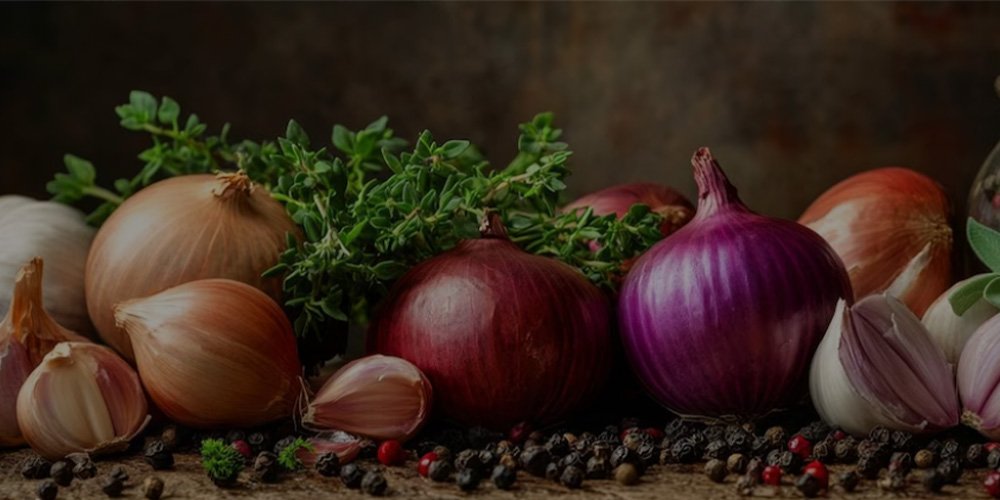
Dehydrated vegetables have become an important ingredient category in modern food processing. Their convenience, versatility, and storage advantages make them suitable for a wide range of products, including instant soups, seasoning blends, ready-to-eat meals, sauces, snacks, and packaged food mixes.
Food manufacturers increasingly need ingredients that support efficient production while maintaining the desired flavor, texture, and quality of their finished products. Dehydrated vegetables offer a practical option by reducing moisture content and making vegetable ingredients easier to store, handle, and incorporate into many formulations.
From dehydrated onion and garlic to carrots, cabbage, and mixed vegetables, different products serve different manufacturing requirements. Understanding their forms, benefits, and applications helps businesses select the right ingredients for their production processes.
Hitech Food Ingredients operates in the dehydrated food ingredient sector. This article explores the role of dehydrated vegetables in food processing and the key factors to consider when sourcing them.
Dehydrated vegetables are vegetables that have undergone a drying process to remove a substantial portion of their moisture. The process reduces their weight and volume while helping preserve them for longer storage when properly processed and packaged.
Depending on the vegetable and drying method, the finished product may be available as flakes, slices, pieces, granules, or powder.
Common dehydrated vegetables include:
Availability, product form, and specifications vary according to the vegetable and supplier.
The production of dehydrated vegetables involves several stages designed to prepare the raw material, remove moisture, and protect the finished ingredient.
Fresh vegetables are selected according to their quality, maturity, condition, and suitability for processing. Proper raw material selection is an important step in achieving consistent finished products.
The vegetables are cleaned and prepared to remove unwanted material. Depending on the product, preparation may include peeling, trimming, slicing, chopping, or cutting into specific sizes.
Some vegetables may undergo pretreatment before drying. The method depends on the vegetable type, product specifications, and desired characteristics.
Moisture is removed using a suitable drying method. Controlled drying conditions help achieve the required moisture level while managing changes in color, texture, aroma, and flavor.
After drying, products may be sorted or graded according to particle size and other specifications. Quality checks help identify issues involving moisture, appearance, contamination, and product consistency.
The finished vegetables are packed in suitable packaging to protect them from moisture and contamination. Storage and handling conditions should follow the product's specified requirements.
The exact production process varies by vegetable, processing technology, and intended application.
One of the main advantages of dehydrated vegetables is their potential for longer storage compared with fresh vegetables. Removing moisture helps limit conditions that support many forms of microbial growth, although it does not make a product sterile.
Appropriate processing, packaging, and storage remain essential for maintaining product quality and safety.
Dehydrated vegetables contain less water than their fresh counterparts, making them lighter and more compact for transportation and storage.
This can be beneficial for food manufacturers purchasing ingredients in bulk or operating production facilities in different locations.
Many dehydrated vegetables arrive in ready-to-use forms that reduce the need for washing, peeling, and cutting at the point of manufacture.
Depending on the formulation, products can be added directly to dry mixes or rehydrated before use.
Dehydrated vegetables can support standardized recipes when manufacturers use defined product specifications and controlled ingredient quantities.
This is particularly useful in seasoning blends, instant food mixes, and other formulations that require repeatable ingredient ratios.
Different vegetable forms can be incorporated into a wide variety of products. Fine powders work well in certain dry blends, while flakes and pieces provide more visible texture.
Manufacturers can select ingredients according to their processing equipment, formulation, and finished-product requirements.
Because dehydrated vegetables generally require less storage volume than comparable quantities of fresh vegetables, they can simplify some inventory and warehouse operations.
The actual benefit depends on packaging dimensions, order quantities, storage conditions, and stock rotation practices.
Dehydrated vegetables are commonly used in instant soup mixes, noodle seasonings, and convenience meal products.
Carrots, onion, garlic, cabbage, and mixed vegetable pieces can contribute flavor, color, and texture. The choice of ingredients depends on the recipe and the required rehydration performance.
Convenience food manufacturers use dehydrated vegetables in selected meal mixes, packaged dishes, and ready-to-cook preparations.
The ingredients can help simplify storage and production planning while allowing manufacturers to develop a variety of flavor combinations.
Onion powder, garlic powder, and other dehydrated vegetable ingredients can be blended with spices, herbs, and seasoning components.
These ingredients are useful in applications such as savory snack coatings, dry rubs, instant seasonings, and packaged food flavorings.
Dehydrated vegetable powders and granules can contribute flavor to sauce mixes, gravy preparations, and soup bases.
Larger pieces may also be suitable for recipes that require visible vegetable ingredients. Formulation trials help determine the appropriate particle size and quantity.
Vegetable powders and selected dehydrated pieces can be used in savory snack seasonings and other snack formulations.
Manufacturers should assess the ingredient's flavor intensity, particle size, moisture characteristics, and compatibility with the application.
Restaurants, catering businesses, and institutional kitchens can use dehydrated vegetables when they need convenient ingredients for soups, sauces, gravies, and prepared meals.
The suitability of each product depends on menu requirements, preparation methods, and storage practices.
Both dehydrated and fresh vegetables have important roles in the food industry. The right option depends on the intended application.
| Factor | Dehydrated Vegetables | Fresh Vegetables |
|---|---|---|
| Moisture | Reduced through drying | Naturally high |
| Preparation | Often supplied in processed forms | May require washing, peeling, and cutting |
| Storage | Usually stored in suitable dry conditions | Requires appropriate fresh-produce storage |
| Transportation | Generally lighter and more compact | Heavier due to natural moisture |
| Texture | Depends on form and rehydration | Provides fresh vegetable texture |
| Ingredient handling | Convenient for many dry formulations | Suitable for fresh preparation and cooking |
| Typical applications | Instant meals, dry mixes, seasonings, and selected sauces | Fresh dishes, salads, cooking, and products requiring natural moisture |
Dehydrated vegetables are not a universal replacement for fresh vegetables. Manufacturers should select the ingredient that best supports their product formulation and processing requirements.
Moisture content and water activity are important parameters for assessing storage stability and product performance. Buyers should request specifications appropriate to the intended application.
The vegetable should meet the desired sensory requirements. Product samples can help manufacturers assess color, characteristic flavor, aroma, and suitability for the final recipe.
Flakes, granules, slices, pieces, and powders behave differently during mixing, cooking, and rehydration. Choose a form that suits the processing equipment and finished-product requirements.
Food manufacturers should review applicable microbiological specifications and supporting test documentation. Requirements depend on the product, its intended use, and the destination market.
Suitable packaging should protect against moisture and contamination. Batch identification and traceability information are important for inventory control and quality management.
Businesses should evaluate a supplier's product range, documentation, sample availability, order quantities, lead times, and ability to meet agreed specifications consistently.
Quality control plays an important role throughout dehydrated vegetable production. Raw materials, processing conditions, finished-product characteristics, and packaging should be managed according to applicable quality and food safety requirements.
Important checks may include:
Manufacturers should establish acceptance criteria for each ingredient and verify that supplied products meet their requirements.
For ingredients intended for export, buyers should also check applicable destination-market regulations and documentation requirements.
Proper packaging and storage help preserve product quality during transportation, warehousing, and use.
The recommended storage period depends on the product, packaging, processing conditions, and storage environment.
A reliable sourcing process begins with clearly defining the intended application and product requirements.
Comparing suppliers against the same specifications makes it easier to assess product suitability and purchasing requirements.
Hitech Food Ingredients is associated with the dehydrated food ingredient industry. Businesses looking for dehydrated vegetable ingredients should discuss their intended applications, required product forms, quality specifications, and purchasing quantities with the company.
A clear discussion of technical requirements can help buyers determine whether a particular ingredient is suitable for their production process.
For bulk purchasing or export-related enquiries, confirm product availability, packaging options, documentation, and delivery arrangements directly with the supplier.
Dehydrated vegetables provide practical ingredient options for food manufacturers seeking convenient handling, flexible applications, and efficient storage. Their uses range from instant soups and seasoning blends to prepared meals, sauces, and savory snacks.
Selecting the right ingredient requires attention to product form, moisture content, flavor, particle size, food safety requirements, and packaging. Careful evaluation of samples and specifications can help manufacturers maintain product consistency and make informed purchasing decisions.
Looking for dehydrated food ingredients for your business? Contact Hitech Food Ingredients to discuss your requirements and explore suitable sourcing options for commercial food applications.